
The Last Ark: Survive the Sea
SPECIAL (HONG KONG) CO., LIMITEDStrategy
3.9247.00 Reviews
- Version
- 1.0.22.4
- Installs
- 500.00K
- Age Rating
- Everyone 10+
Screenshots
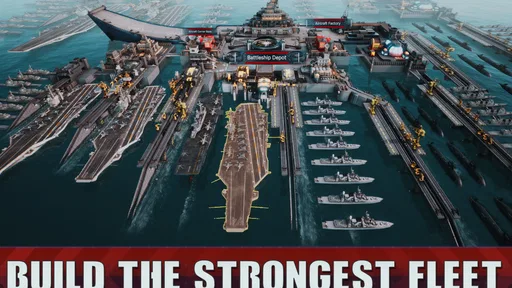
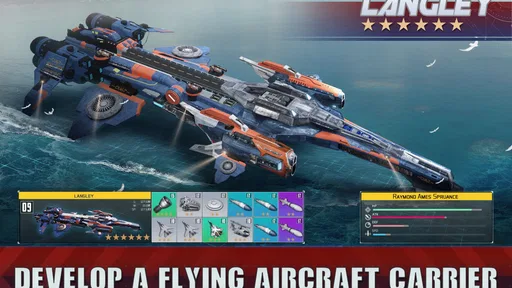

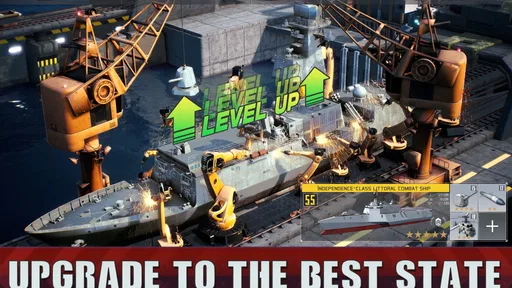


Our Review of The Last Ark: Survive the Sea
 Analysis by Appyee
Ever thought about what you’d do if you were stranded on a deserted island? Well, let me introduce you to The Last Ark: Survive the Sea, an app that lets you dive into that very scenario. I recently gave it a spin, and honestly, it was quite the adventure.
Setting Sail on a New Adventure
From the moment you dive into The Last Ark: Survive the Sea, you're thrust into a world of survival and strategy. The game kicks off with you stranded at sea, and your mission is to build, explore, and survive. The graphics are pretty impressive, with a vibrant sea setting that makes you feel like you’re right there on the open waters. It’s not just about survival, though. You’ve got to manage resources, fend off pirates, and even establish alliances.
Why the First Week Hooks Me
The early appeal comes from having several jobs competing for your attention. Building your ark gives you a visible project, exploration points you toward new possibilities, and survival keeps the decisions grounded in immediate needs. I like that this combination makes a short session feel purposeful: I can make progress on the vessel or deal with a pressing supply concern instead of needing to commit an entire evening.
That mix is especially appealing if you enjoy strategy games where planning matters more than quick reflexes. The Last Ark is a free strategy game from Strategy Gamez, and its post-apocalyptic sea setting gives familiar resource management a different mood from a typical land-based settlement game. Its store rating averages 4.1 from around 5.2K ratings, with 100K+ installs; those figures suggest a steady audience, though they can’t tell you whether its particular pacing will suit you.
Building Your Ark
One of the coolest features is the ability to build your own ark. You start with a pretty basic setup, but as you gather resources, you can upgrade your floating fortress. The building mechanics are intuitive, and it’s super satisfying to see your ark transform from a shabby raft to a formidable ship. You can add everything from extra storage to defensive weapons. Trust me, you’ll need those cannons when pirates come knocking!
A practical way to approach this is to think about the next obstacle before spending resources on an upgrade. If supplies are becoming a problem, extra storage may help you prepare for a longer stretch; if threats are the concern, defenses may be the more sensible priority. I wouldn’t treat every improvement as equally urgent. The useful choice depends on what is currently holding your progress back, and that makes spending resources feel like a decision rather than a checklist.
This is also where the game’s central trade-off becomes clear: making the ark stronger can support survival, but it takes resources that might be needed elsewhere. I’d avoid upgrading simply because an option has become available. A quick check of what you’re short on, and what danger is most likely to affect you next, can prevent an attractive improvement from leaving another part of your plan underfunded.
Exploration and Quests
Exploration is a huge part of the game. There are all sorts of islands to discover, each with its own set of challenges and rewards. You’ll find yourself navigating treacherous waters, searching for supplies, and completing quests. The quests are varied and keep the gameplay fresh. Whether you’re rescuing stranded sailors or hunting for treasure, there’s always something to keep you engaged.
For a realistic everyday routine, I’d use an ordinary break to check what the current objective asks for, then decide whether it is worth pursuing before setting out. That small pause matters because exploration competes with the need to keep your ark and crew in good shape. If you only have a few minutes, a clear, nearby goal is a better choice than starting an uncertain trip and feeling pressured to stay longer than you planned.
Players who enjoy discovering places and completing objectives will likely get more from this loop than those who want a compact, round-based strategy game. Compared with a conventional turn-based title, the sea-survival premise asks you to balance ongoing needs with exploration rather than simply solve a self-contained board or battle. That can feel more immersive, but it may also be less satisfying if you prefer every session to have a definite start, finish, and clear win condition.
Survival at Its Core
Surviving isn’t just about keeping your ship afloat. You’ve got to manage food, water, and morale. It adds a layer of strategy that keeps you on your toes. Running low on supplies? You’ll need to make a tough call on whether to risk a dangerous island for resources. It’s these decisions that make the game so immersive.
The most useful habit here is to look at the needs that can become urgent before focusing on optional progress. I’d check supplies and morale before choosing an ambitious exploration goal, especially when I’m unsure how long I can play. This doesn’t remove the risk; it helps make the risk deliberate. A voyage that looks worthwhile when your crew is prepared may be a poor bet when basic needs are already tight.
That attention to upkeep is also the game’s main demand on the player. It rewards returning to several connected concerns, rather than treating the ark as a project you can finish and forget. If you enjoy keeping an eye on a developing situation, that can give each visit a reason to matter. If you want a game that never asks you to think about yesterday’s decisions, the survival layer may feel like maintenance rather than meaningful strategy.
Fending Off Foes
What’s a survival game without a few enemies? Pirates are your main adversaries, and they can be quite the challenge. Combat is straightforward, but don’t let that fool you into thinking it’s easy. You’ll need to strategize and upgrade your defenses to keep your crew safe. Plus, there's the occasional sea monster to keep things interesting!
For me, the important takeaway is that defense should be part of the same resource plan as food, water, and exploration. Treating combat as a separate activity can lead to awkward choices: resources used to prepare for a threat may be unavailable for an immediate survival need. I’d make upgrades with a specific weakness in mind, rather than trying to maximize everything at once. That approach suits a game where the challenge comes from competing priorities.
Combat being straightforward is a mixed blessing. It keeps attention on preparation and survival decisions instead of making every encounter a test of complicated controls. On the other hand, players who want deep tactical battles may find the fighting less compelling than the planning around it. The game is a better fit if you see conflict as one pressure on the ark, not the sole reason to play.
Social Aspects and Alliances
It’s not all about going it alone. You can form alliances with other players, which opens up a whole new layer of gameplay. Trading resources, sharing strategies, or teaming up to tackle bigger threats – it’s a great way to make the game feel less solitary. Plus, it’s always fun to compare arks and see how your friends are faring on the high seas.
Alliances make this a more social choice than a purely solo survival game. If you already have friends who enjoy comparing progress and coordinating, that shared interest can make returning feel more rewarding. If you prefer to play entirely at your own pace, the social layer is less of a reason to stick around; you should choose the game for its ark-building and survival decisions first, rather than assuming other players will provide all the motivation.
For the month-to-month question, I’d look at whether the repeating routine still gives you decisions you care about. The first sessions have the novelty of a new ark and new goals. Longer-term value depends more on whether balancing supplies, making improvements, exploring, and responding to threats continues to feel satisfying. Alliances can refresh that rhythm, but they won’t automatically fix fatigue if the core cycle stops being enjoyable to you.
Who Should Keep Sailing
I’d recommend giving it a try if you like survival strategy, gradual construction, and the feeling of weighing one need against another. It is also a reasonable pick for someone who wants a setting with more than combat to manage: the ark, crew needs, exploration, and social options all contribute to the experience. The age rating is Everyone 10+, and the game is free to start, which makes it accessible to curious players who want to see whether the premise clicks before spending money.
There is a caveat to that free entry. The game offers in-app purchases ranging from $0.99 to $299.99 per item, so I would decide on a personal spending limit before playing if optional purchases are a concern. A free download does not mean every route through progression will feel equally comfortable without spending. I’d first see whether the basic pace is enjoyable and avoid treating a purchase as the default solution to a resource bottleneck.
I’d skip it if you want a fast arcade game, a tightly finished single-session challenge, or a strategy title built mainly around intricate combat. It may also be a poor match if returning to check resource needs feels like an obligation to you. The same recurring upkeep that makes the sea-survival setting feel connected can become tiring when you would rather play only when the mood strikes and never think about ongoing management.
Maintenance, Fatigue, and Staying Power
Maintenance is not only about the crew’s supplies; it is also about how you fit the game into your own routine. I’d treat it as something to play when I have enough attention to make a few connected choices, not as an automatic task to squeeze into every spare moment. If I open it without a goal, the resource juggling can feel like chores. If I arrive with a clear priority—prepare the ark, address a survival need, or pursue an exploration objective—the same systems feel more purposeful.
That distinction helps answer whether it earns lasting space on a phone. Its recurring value comes from the relationship between building, survival, and exploration, not from a single novelty that carries the whole experience. Still, repetition is a real risk: if you stop caring about the next improvement or the consequences of a supply decision, more of the same routine may not bring the spark back. I’d take a break rather than turn play into a daily obligation.
The technical baseline is also worth checking before installing. The game’s current version is 1.0.21.6 and it requires Android 6.0 or later, so it is aimed at compatible Android devices. It was released on Jan 8, 2018; that history does not guarantee how it will feel on every device today, so I’d make sure my phone meets the requirement and judge the actual experience rather than assuming age alone means either neglect or reliability.
Final Thoughts
Overall, The Last Ark: Survive the Sea is a captivating blend of survival, strategy, and exploration. It’s easy to lose track of time as you get caught up in building your ark and exploring the vast ocean. The game has a real knack for keeping you engaged with its mix of challenges and rewards. If you’re a fan of survival games, this one’s definitely worth a download.
My lasting recommendation is a qualified one: try it if the idea of maintaining a floating home while choosing when to explore sounds enjoyable, and keep playing only while those choices still feel worthwhile. It is more appealing to patient planners than to people looking for a quick, self-contained contest. The combination can hold attention beyond the first impression, but its upkeep and purchase options mean it is best approached with realistic expectations and your own limits in mind.
So, what are you waiting for? Grab your compass, set sail, and see how long you can survive the sea!
Verdict
Strengths of The Last Ark: Survive the Sea
- Engaging storyline with diverse missions.
- Stunning graphics and detailed environments.
- Intuitive controls enhance gameplay experience.
- Multiplayer mode fosters team collaboration.
- Regular updates keep content fresh.
Limitations of The Last Ark: Survive the Sea
- Requires stable internet connection.
- In-app purchases can become costly.
- Occasional lag in multiplayer mode.
- High battery usage during long sessions.
- Limited offline play options.
Similar Picks in This Category
View All
Clash of Clans
Supercell4.5

Plants vs. Zombies™
ELECTRONIC ARTS3.7

Lords Mobile: Kingdom Wars
IGG.COM4.5

Clash Royale
Supercell4.4

State.io — Conquer the World
CASUAL AZUR GAMES4.1

Car Driving School : Car Games
Spark Game Studios3.9
Frequently Asked Questions
What is the main objective of The Last Ark: Survive the Sea?
The main objective of The Last Ark: Survive the Sea is to navigate a vast oceanic world while building and upgrading your ark. Players must manage resources, fend off pirate attacks, and form alliances with other players to survive in this post-apocalyptic setting. The game combines elements of strategy and survival, ensuring an engaging experience.
Are there in-app purchases in The Last Ark: Survive the Sea?
Yes, The Last Ark: Survive the Sea offers in-app purchases. Players can buy various resources, boosters, and cosmetic items to enhance gameplay. While purchases can accelerate progress, they are optional, and players can still enjoy the game fully without spending money. It caters to both free-to-play and paying players.
Can I play The Last Ark: Survive the Sea offline?
No, The Last Ark: Survive the Sea requires an active internet connection to play. The game features real-time interactions with other players, including forming alliances and battling pirates, which necessitates a stable online connection to ensure smooth gameplay and up-to-date game data.
How does the multiplayer aspect work in The Last Ark: Survive the Sea?
The multiplayer aspect allows players to interact and collaborate with others in real-time. You can form alliances to strategize and tackle challenges together, engage in PvP battles, and trade resources. The social component is integral to the game, encouraging teamwork and competition among players globally.
What devices are compatible with The Last Ark: Survive the Sea?
The Last Ark: Survive the Sea is compatible with both Android and iOS devices. To ensure optimal performance, it is recommended to have a device running Android 6.0 or higher or iOS 11.0 or later. The game is optimized for both smartphones and tablets, providing flexibility in how you play.
Play our best games!


